David Amaryan on the development of European SAMBO
“Every federation must feel that SAMBO Europe is helping it develop”
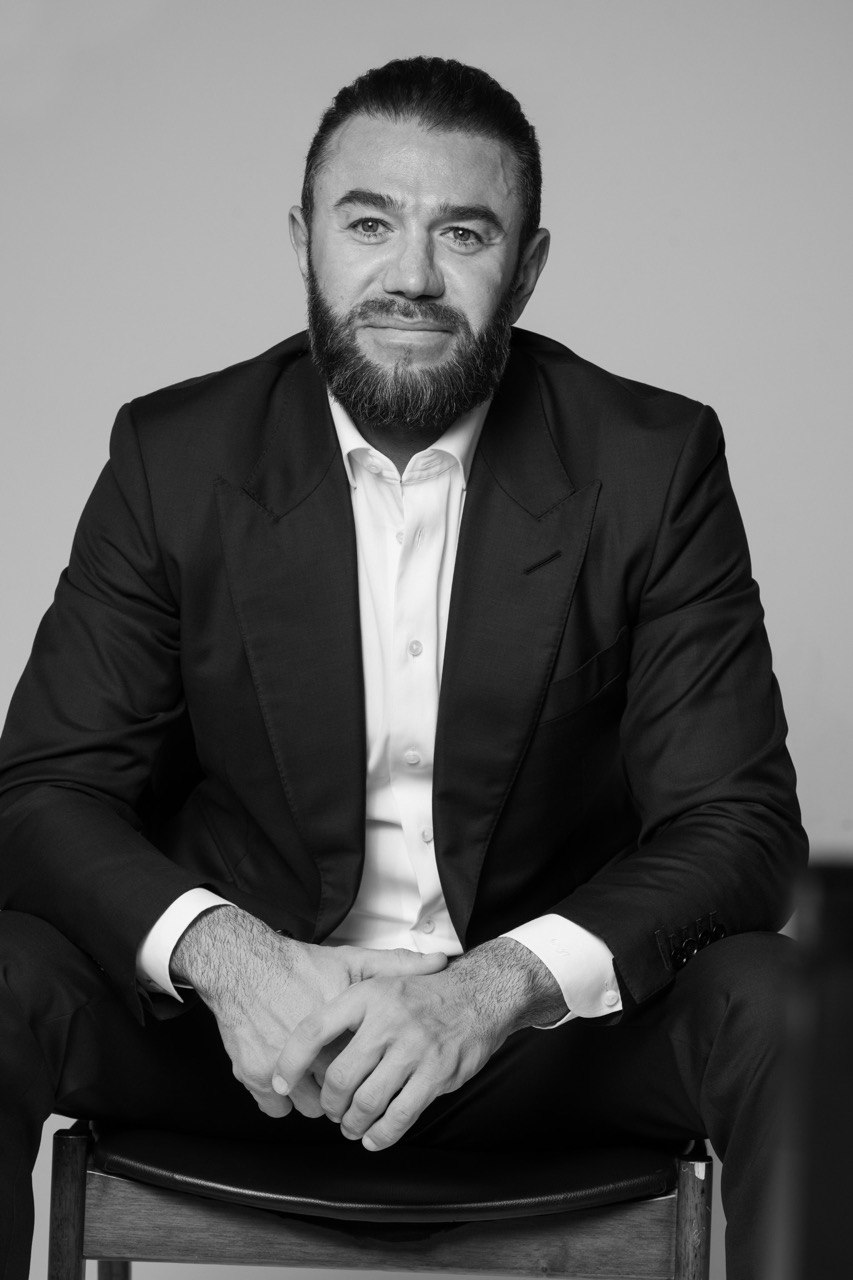
David Amaryan is the Chairman of the Board of Trustees of the Sambo Federation of Armenia. He himself practices martial arts at an amateur level. In the interview, Mr. Amaryan discusses the goals of SAMBO Europe, the support the initiative has received from 27 national federations, and why the development of children’s and youth sports should become one of the main areas of work for the new organization.
1. Why did the need to create SAMBO Europe arise precisely now? What main task should the new organization address?
European sambo has accumulated a demand for change. We have strong sports schools, experienced coaches, and talented athletes. But national federations need conditions that will allow them to develop consistently: a comprehensible calendar, access to educational programs, financial and organizational support, and full representation at the European level.
This requires a modern continental organization with a sustainable legal and financial foundation. We propose creating such a structure in Hungary, building its work on transparent rules, and ensuring that national federations participate in governance.
I see the main task of SAMBO Europe very specifically: to help every federation develop sambo in its own country. A special place in this work should be given to children’s and youth sambo. It is important that a child has the opportunity to join an affordable club near home, train under a qualified coach, and gradually grow in the sport. Our work should be assessed by such results.
2. What has united the national federations around this initiative?
Above all, the understanding that many tasks can be solved only together. It is especially important that the initiative has already been supported by 27 national federations. Behind this are decisions made by people who are responsible every day for the development of sambo in their countries.
During the discussions, quite specific requests were voiced. Federations need to have a real voice in decision-making, to understand how the budget is formed and spent, to know the calendar in advance, and to receive assistance in training coaches and referees.
At the same time, the needs of federations differ. Strong national federations need new opportunities for international cooperation. Small federations sometimes need basic support: equipment, specialist training, and help with organizing their first tournaments. SAMBO Europe must listen to both.
3. Which three tasks do you consider priorities for the first year?
The first is to complete the legal and organizational formalization of SAMBO Europe and to go through the necessary registration and recognition procedures. After registration, an Extraordinary Congress must be held, at which national federations will elect permanent governing bodies. Powers, responsibilities, and decision-making procedures must be clear to every participant.
The second is to agree with FIAS on the European calendar, primarily for 2027, and to create a basis for planning several years ahead. Preparatory work must be carried out already during the registration process.
The third is to form a financially secure program of support for federations, with particular attention to children’s and youth sports. It should include assistance to children’s sections and clubs, training of coaches to work with children, provision of necessary equipment, and accessible competitions. Together with the federations, we need to determine what hinders development in each country and where our assistance can produce tangible results. Any program must have responsible persons, deadlines, and a clear budget.
4. What should change for athletes, coaches, and families who bring their children to clubs thanks to SAMBO Europe?
I myself practice martial arts at an amateur level, so the everyday side of training is close to me. It matters who meets a person in the gym, how exercises are explained, how one is helped to cope with difficulties, and how interest in training is maintained. For a child, the role of the coach is especially important: first impressions largely determine whether he or she will want to continue.
An athlete needs clear conditions for participation in competitions, the ability to plan the season in advance, to attend training camps, and to receive quality preparation. For families, the affordability of classes and travel is important. Regional children’s tournaments and camps can give young athletes their first competitive experience without excessive costs for parents.
For a coach, access to knowledge, professional communication, and professional development are equally important. Therefore, the first results of our work should be visible in accessible information about tournaments, an agreed calendar, joint training camps, and educational programs.
A separate priority is protecting the interests of the athlete: transparent rules, quality refereeing, medical safety, and compliance with anti-doping requirements. In work with children, respectful treatment, age-appropriate training, and constant dialogue with parents are especially important. We must create an environment in which a child feels confident and wants to continue training.
5. How do you envision the European calendar? Will there be new tournaments?
The calendar must give federations the opportunity to prepare in advance. Travel to an international competition requires time and money: a team must be formed, preparation organized, and transport and accommodation arranged. The earlier the dates and conditions are known, the more athletes will be able to participate.
When preparing the 2027 season, it is necessary to collect proposals from national federations, assess the readiness of host countries, and agree on dates with FIAS. At the same time, it is important to take into account already planned competitions and organizers’ commitments, while preserving continuity in the sport.
I see opportunities for developing open and regional tournaments, children’s and youth competitions, and joint training camps. Young athletes need a gradual transition from their first club starts to national and international competitions. Formats should take into account age and level of preparation, give children useful experience, and maintain interest in the sport. We also need to expand the geography of competitions: the closer competitions are to where athletes train, the more accessible participation is for families.
6. How will work with coaches and referees be organized?
Europe has accumulated extensive professional experience. Our task is to make it accessible to specialists from different countries.
We need a regular training system: in-person seminars, practical sessions during competitions and training camps, distance courses, and exchange of experience between national schools. For referees, a unified understanding of the rules and joint analysis of difficult competitive situations are especially important. In coach training, it is necessary to emphasize work with children: age-related pedagogy and psychology, safe mastery of technique, maintaining interest in training, and interaction with parents.
It is important to me that a specialist from a small federation also has the opportunity to learn and grow professionally. The quality of coaches’ and referees’ work directly affects the level of competitions, the safety of athletes, and trust in our sport.
We will also pay separate attention to the belt system developed by FIAS but not yet implemented in Europe. It can give young athletes clear stages of mastering sambo and help them see their own progress. This is important for motivation for regular training.
7. What will help make sambo more visible to a European audience?
Sambo has everything needed to interest viewers: dynamism, character, bright athletes, and strong human stories. We need to learn to talk about this consistently.
Quality broadcasts should be accompanied by clear explanations of the rules, materials about athletes and coaches, and stories about clubs. It is also important to show the life of children’s sections: how classes are conducted, what young athletes learn, and how to take the first step in sambo. Parents need accessible information about clubs and specialists to whom they can entrust their child. Social media make it possible to maintain this interest between competitions.
Partnerships with media, business, and Olympic organizations are of great importance. One of the strategic goals I consider to be the return of sambo to the program of the European Games. This will require systematic work and convincing results in the development of our sport in European countries.
8. Which obstacles do you consider the most serious? Are there enough resources to implement these plans?
A serious difficulty is the difference in the capacities of national federations. In some countries there is a developed club network; in others, much depends on a few enthusiasts. Costs for equipment, travel, and specialist training are especially sensitive for them. In children’s and youth sports, these costs often fall on families. Therefore, support for sections, coaches, and children’s participation in competitions must occupy an important place in our program.
The financial foundation must be laid from the very beginning. For my part, I am ready to support the work of SAMBO Europe with personal funds. We also count on sponsorship and commercial agreements, income from competitions and educational programs. Preliminary agreements on sponsorship support from well-known European brands are already in place. We will announce our partnership separately.
This year I have already provided support to European sambo. In the future, this assistance must become systematic and rely on programs with clear goals. Together with colleagues from national federations, we are beginning to prepare them. A survey has been launched on Sambo Europe website samboeurope.org to collect information about the state of the federations, their problems, and their needs. When planning support, it is important to take into account what is needed to open and develop children’s sections and what prevents children from training regularly.
At the same time, financing must not grant additional governance rights. The budget must be approved annually, expenditures must be disclosed to members of the organization, and the use of funds must be subject to independent control and audit. It is important for federations to understand which programs receive support and what results have been achieved.
9. How would you like European sambo to look in five years?
I would like to see more active clubs and children’s sections where young people stay involved for many years. I want sambo to be accessible to children from different cities and families with different opportunities. I want teenagers to continue training, find friends, and gain experience that helps them outside the gym as well. Those who strive for high results must have a clear path from their first classes to the international level.
It is especially important to me that national federations become stronger and more sustainable: able to plan their work, attract partners, cooperate with National Olympic Committees, and train their own specialists. The success of children’s and youth programs should be assessed by how many sections operate, how accessible they are, and how many children continue training from year to year.
The main indicator of success will be very simple. In five years, every president of a national federation should have grounds to say: “SAMBO Europe helps me develop sambo in my country.” It is precisely for such a result that we propose joining efforts.